
Biodiversity offset strategies and conservation planning
Where environmental impacts cannot be fully avoided or mitigated, biodiversity offsets may form part of the broader approvals strategy.
Envisage Environmental helps clients develop practical, evidence-based offset strategies that respond to ecological values, approval requirements and deliver meaningful conservation outcomes.
Offsets need to deliver more than a document
A strong biodiversity offset strategy should clearly explain:
what ecological values are being impacted

what conservation outcomes the offset is intended to achieve
how those outcomes will be delivered
how success will be measured
how the offset will be implemented and managed over time
what evidence supports the proposed approach
We help clients turn these requirements into practical, evidence-based offset programs that can be implemented, monitored and adapted over time.
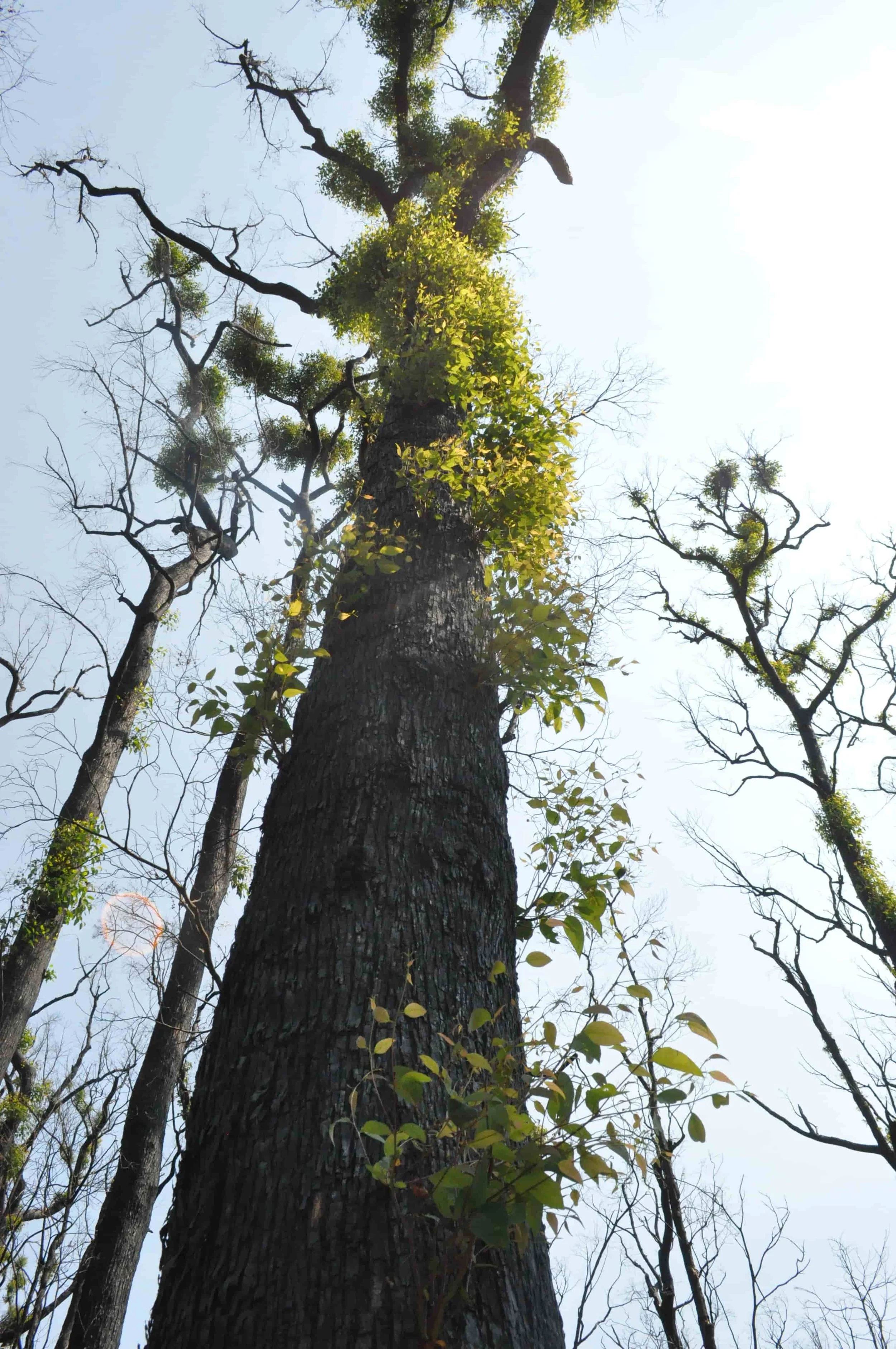
Developing a biodiversity offset
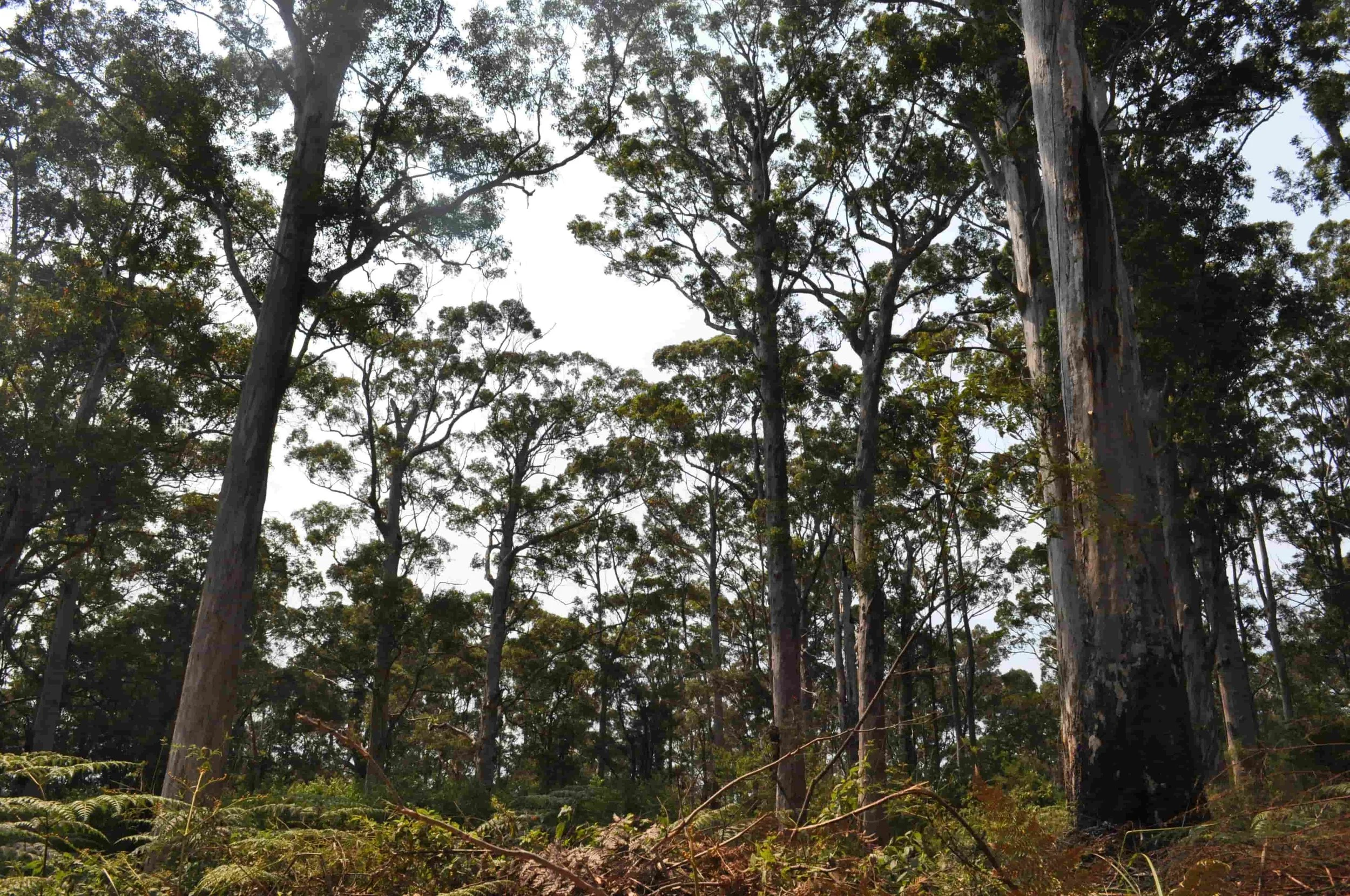
Practical, evidence-based offset planning
Every offset is different. Our approach considers the ecological values being impacted, the significance of the residual impact, the conservation outcomes required and the practical realities of delivering them.
We focus on offset strategies that are ecologically meaningful, measurable and capable of being implemented and monitored over time.
Need advice on biodiversity offsets?
Talk to Envisage Environmental early so offset considerations can be assessed alongside the broader impact and approval strategy.
Better planning creates stronger conservation outcomes.