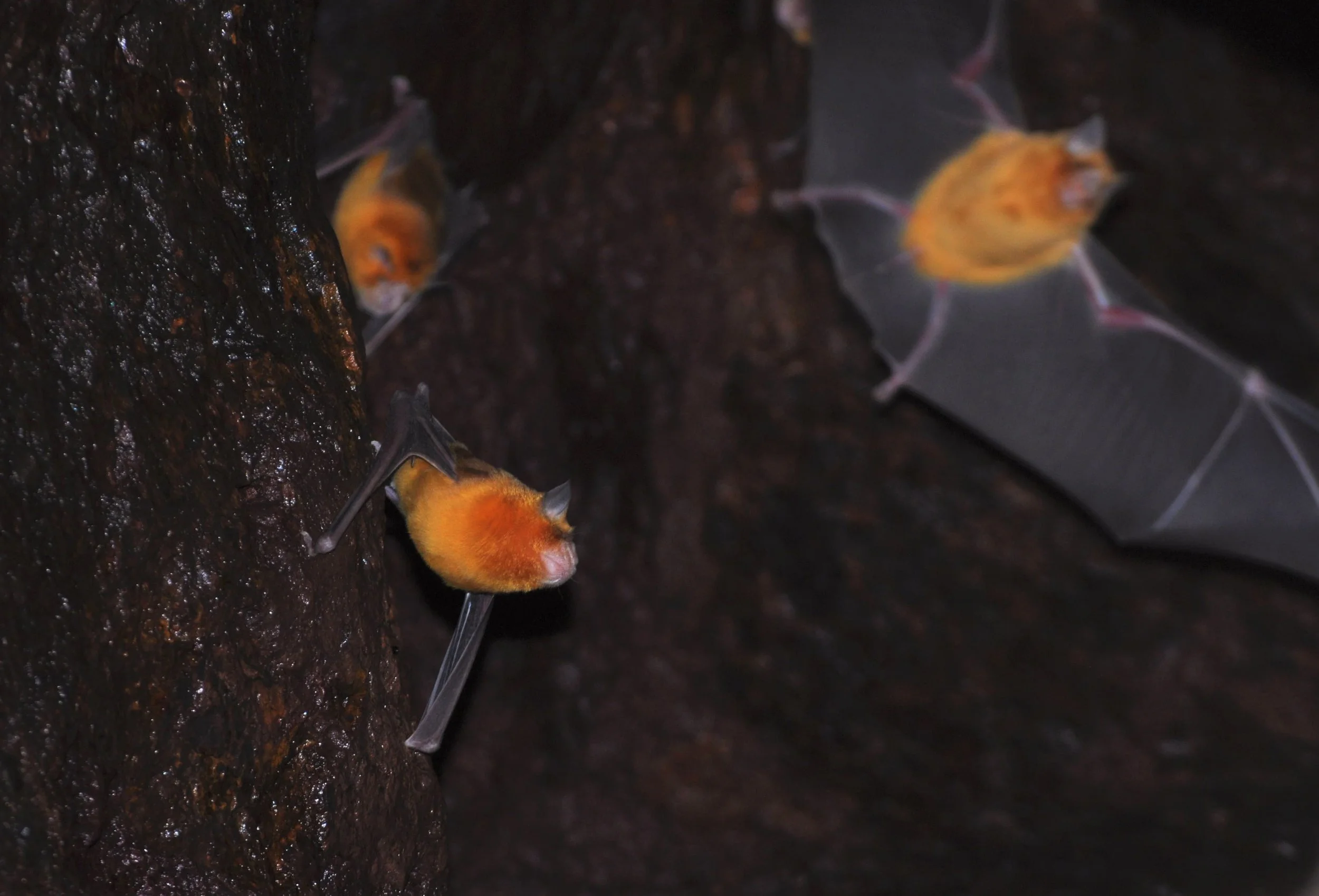
Pilbara leaf-nosed bat expertise
Envisage Environmental provides specialist survey, monitoring, impact assessment and ecological advice for Pilbara leaf-nosed bats across the Pilbara.
Our experience extends beyond consulting, with our team contributing to peer-reviewed research on the species, including its ecology, roosting requirements, habitat use and responses to development. We bring this research experience together with extensive project knowledge to provide practical, evidence-based advice.
Our Pilbara leaf-nosed bat services may include:
-
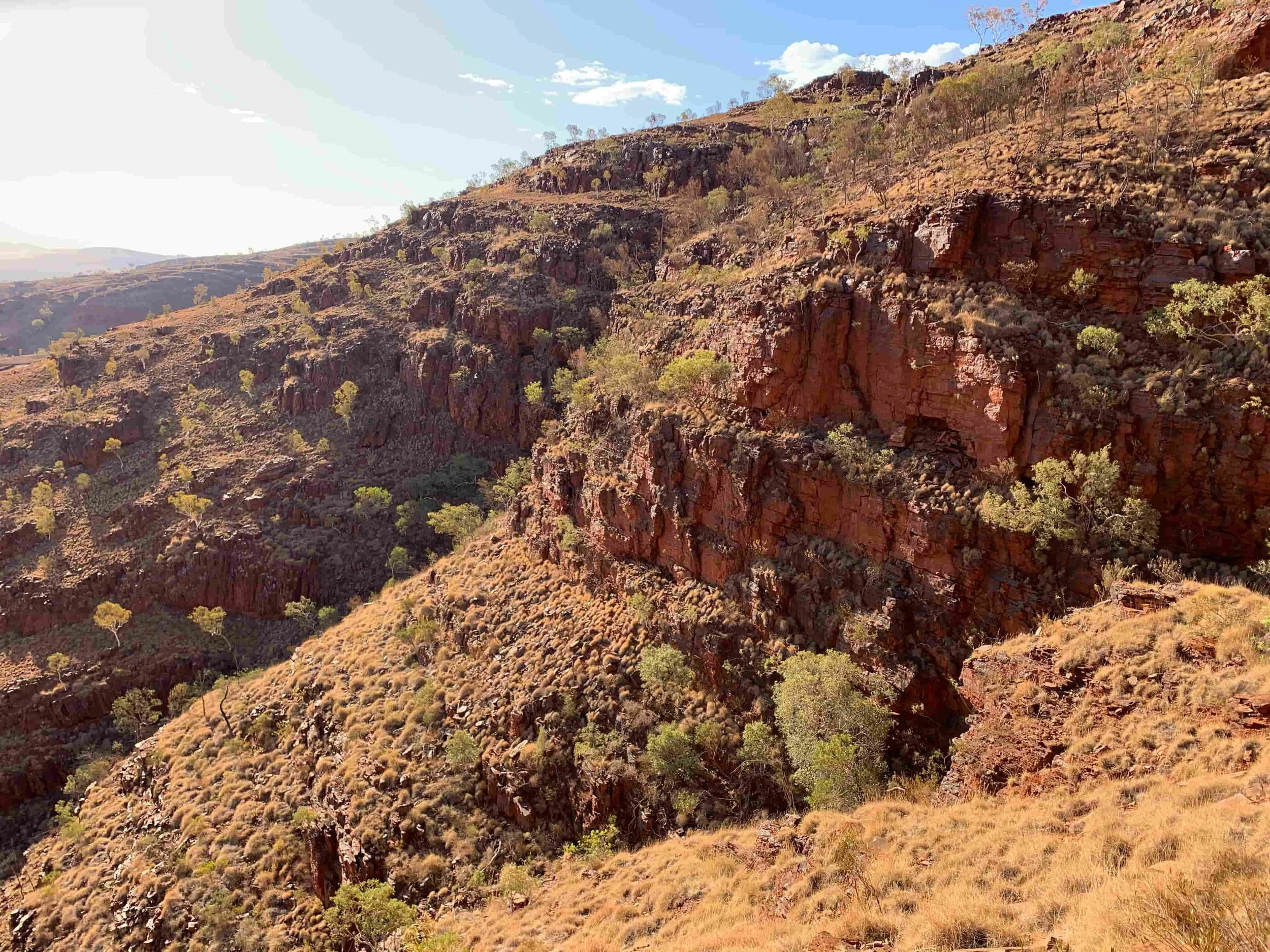
Targeted Acoustic Surveys
Design and undertake targeted acoustic surveys to determine Pilbara leaf-nosed bat presence, activity and patterns of habitat use. Survey design and interpretation are informed by the species’ ecology, project context and the questions the assessment needs to answer.
-
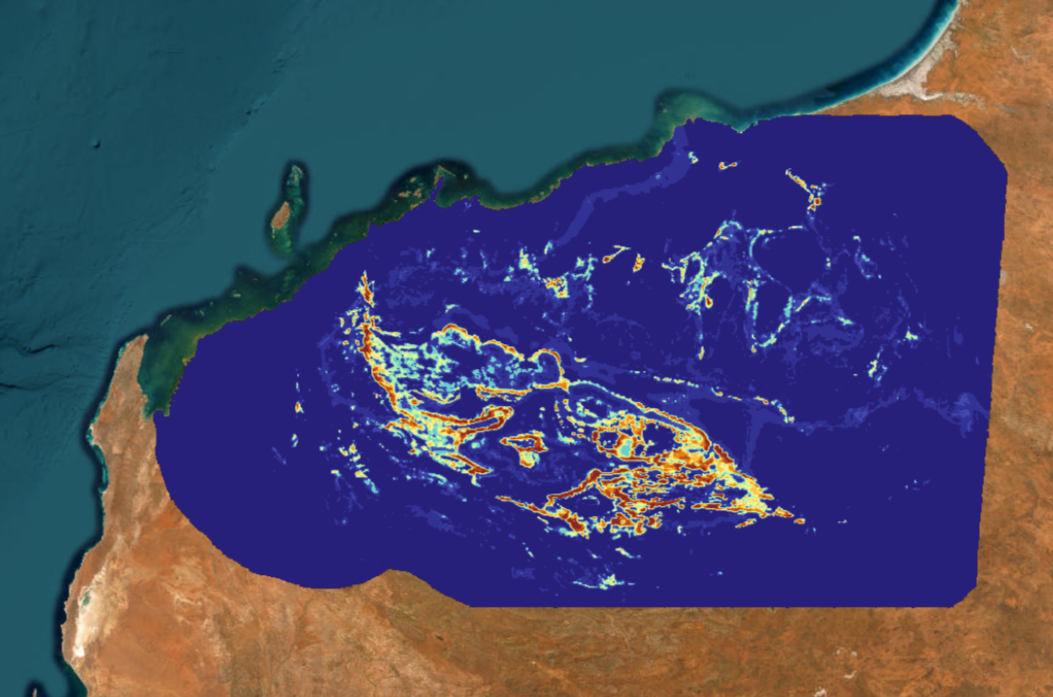
Habitat & Landscape Analysis
Assess important foraging, roosting and movement habitat using field information, GIS and regional datasets. This can include consolidated habitat mapping, landscape-scale analysis and species-specific spatial modelling to better understand habitat values and potential project impacts.
-
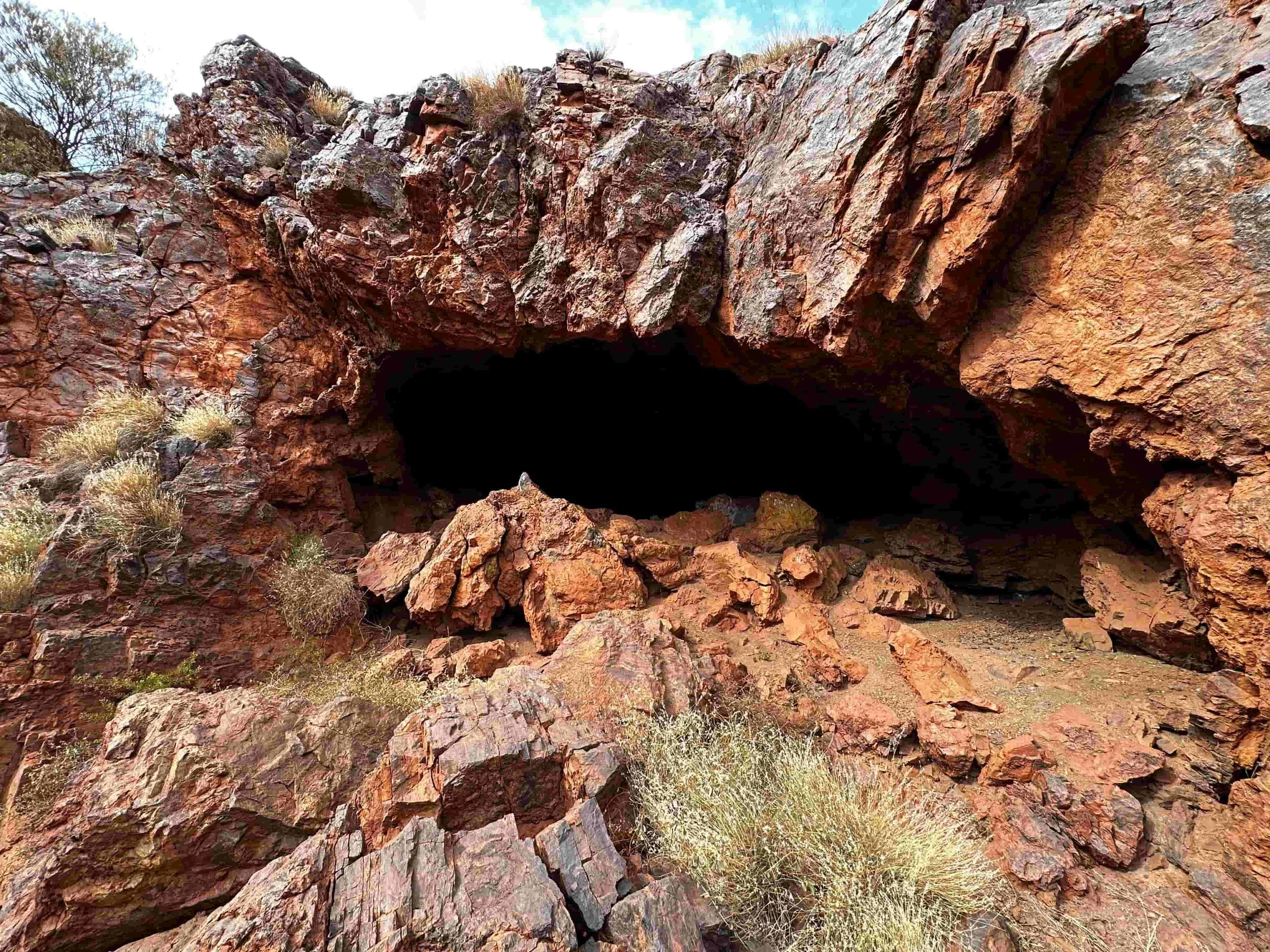
Roost Identification & Assessment
Identify and assess potential and known roosts using acoustic monitoring, habitat and landform assessment, spatial information and targeted field investigations. We help determine the likely use and ecological significance of roosts in the context of the surrounding landscape.
-
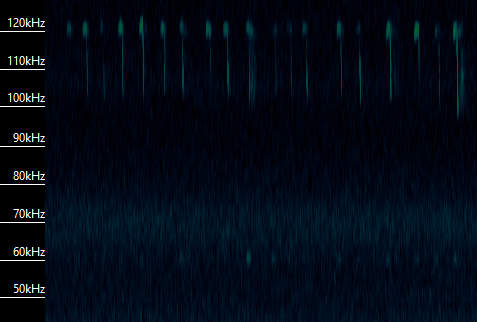
Call Analysis
Analyse acoustic recordings to identify bat species or species groups and interpret patterns of activity, supporting a more detailed understanding of bat use across the survey area.
-

Impact Assessment, Management & Monitoring
Interpret survey and ecological information in the context of proposed development to assess potential impacts and inform avoidance, mitigation and management. Where ongoing monitoring is required, we design programs to evaluate changes in activity, roost use and the effectiveness of management measures.
-
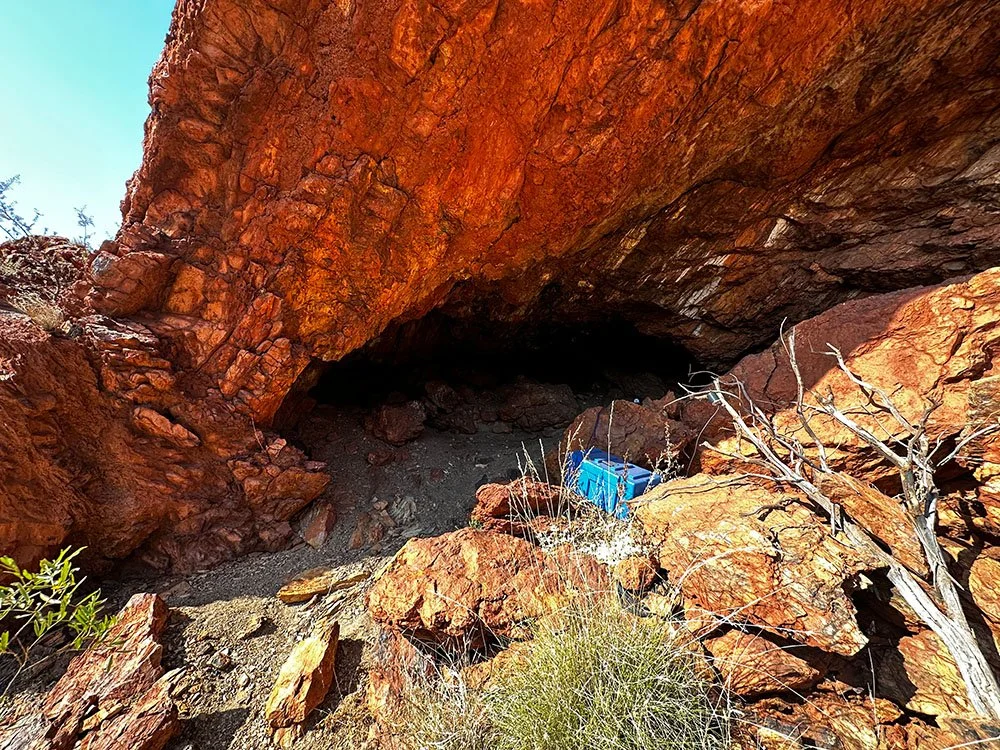
Long-Term Monitoring
Design and implement longer-term monitoring programs where ongoing information is required to understand bat activity, habitat use or the effectiveness of management measures.

A detection is only part of the story
Acoustic surveys can establish the presence and activity of Pilbara leaf-nosed bats, but detections alone rarely tell the whole story.
We interpret acoustic activity alongside roost proximity, habitat and landform, landscape context and existing regional information to understand how and why the species may be using an area.
This broader ecological interpretation helps determine the significance of survey findings, identify potential project risks and guide whether further investigation, monitoring or management is warranted.
Need Pilbara leaf-nosed bat advice?
Speak with Envisage Environmental about your project area and assessment requirements.