
Ecological monitoring and compliance programs
Environmental monitoring should generate useful information about what is happening on the ground, whether management measures are working and where changes may be required.
Envisage Environmental designs and delivers ecological monitoring programs that track species and habitat responses, evaluate management effectiveness and support approval commitments and long-term environmental management
Monitoring built around clear objectives
Before monitoring begins, we define what the program needs to measure, why it matters and how the results will be used.
This allows monitoring effort to be designed around clear ecological questions, measurable outcomes and, where appropriate, statistically robust sampling capable of detecting meaningful change over time.
Our services may include:
-

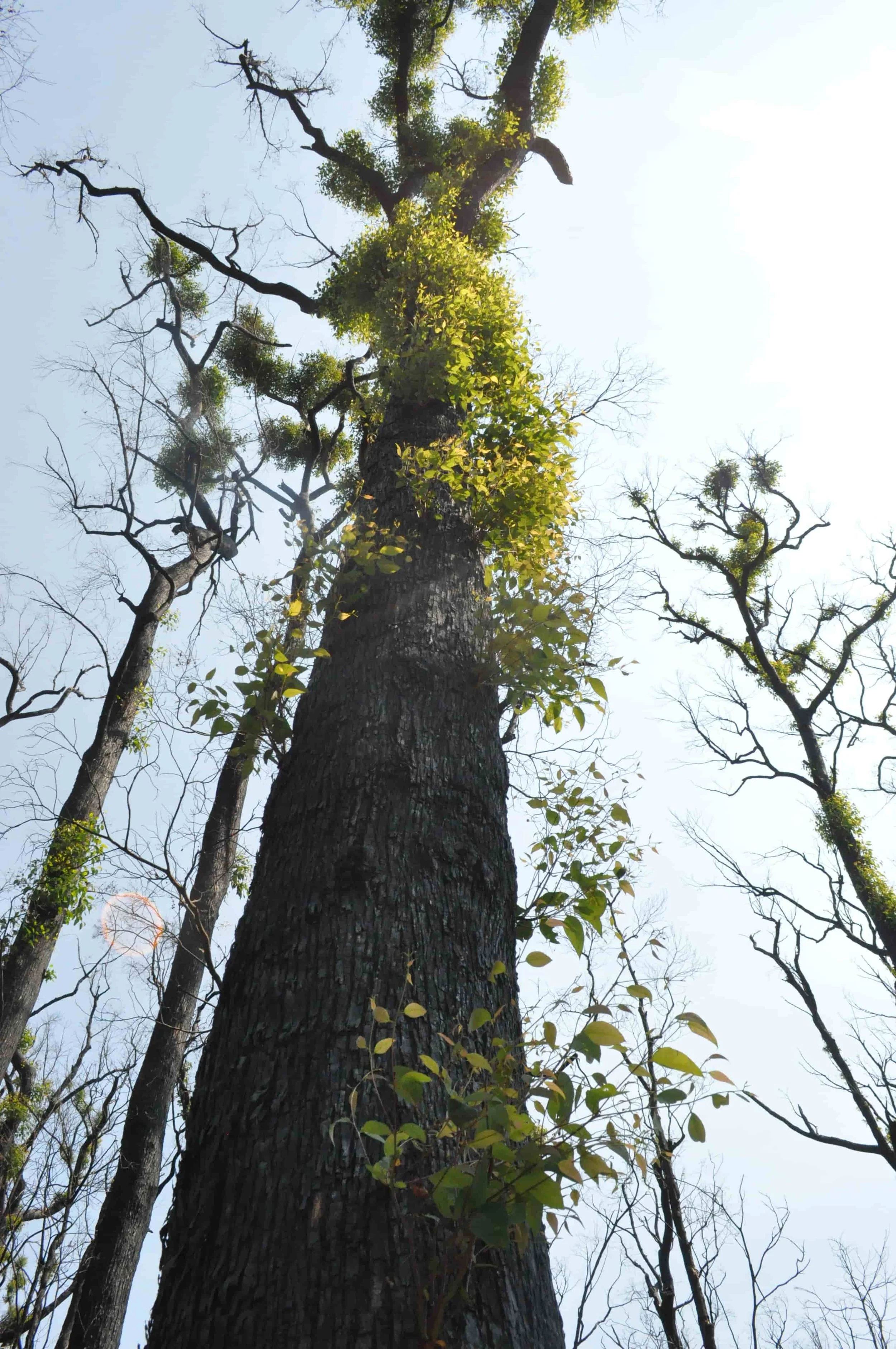
Threatened Fauna Monitoring
Design and deliver monitoring programs for threatened and significant fauna to understand changes in occurrence, activity, habitat use or population response over time.
-
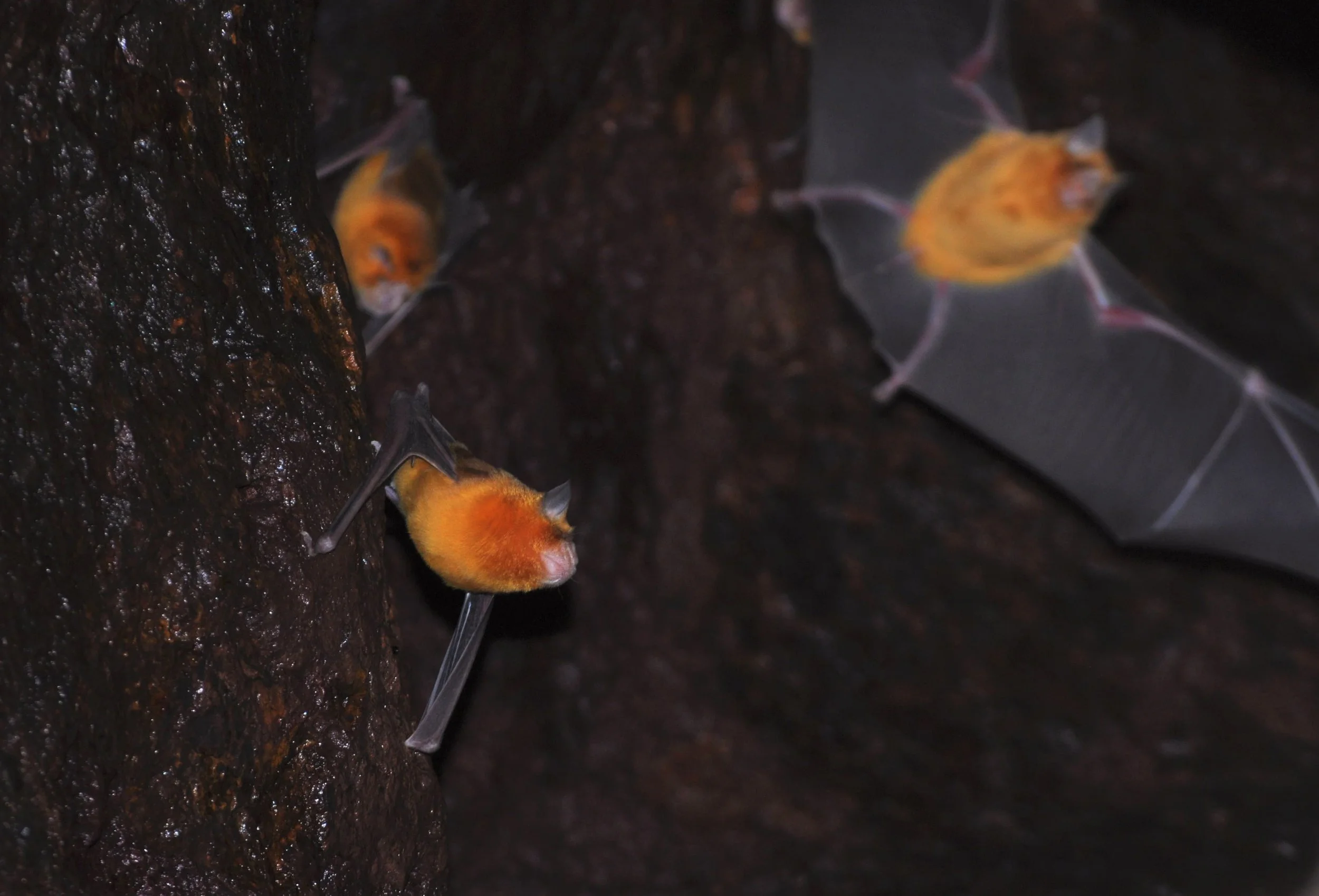
Acoustic Monitoring
Use long-term audible and ultrasonic acoustic monitoring to investigate species presence, activity patterns and changes over time, including automated and AI-assisted analysis where appropriate.
-
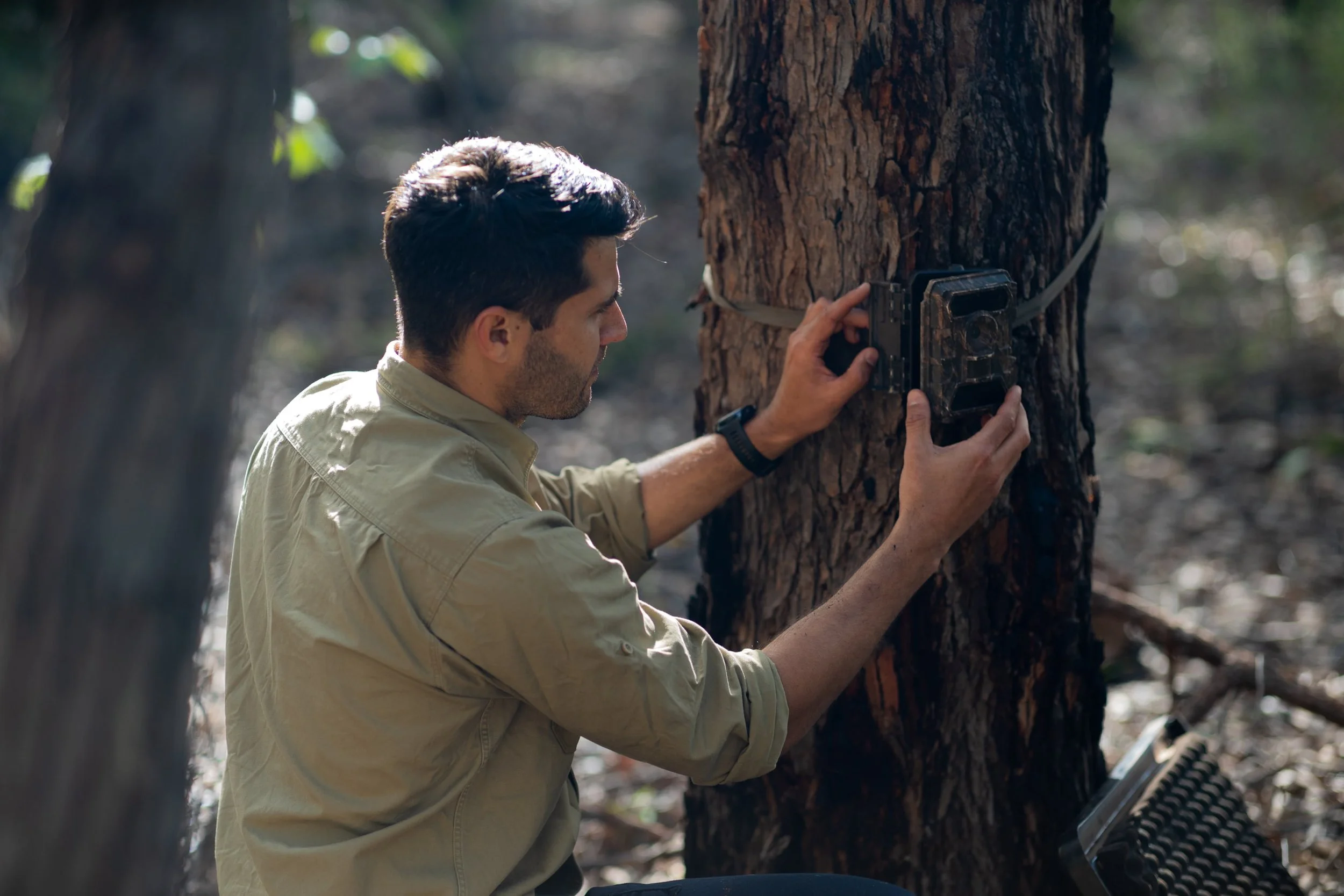
Camera & Remote Monitoring
Deploy camera arrays and remote monitoring systems to investigate fauna occurrence, activity and habitat use, with repeatable sampling designs suited to long-term monitoring.
-
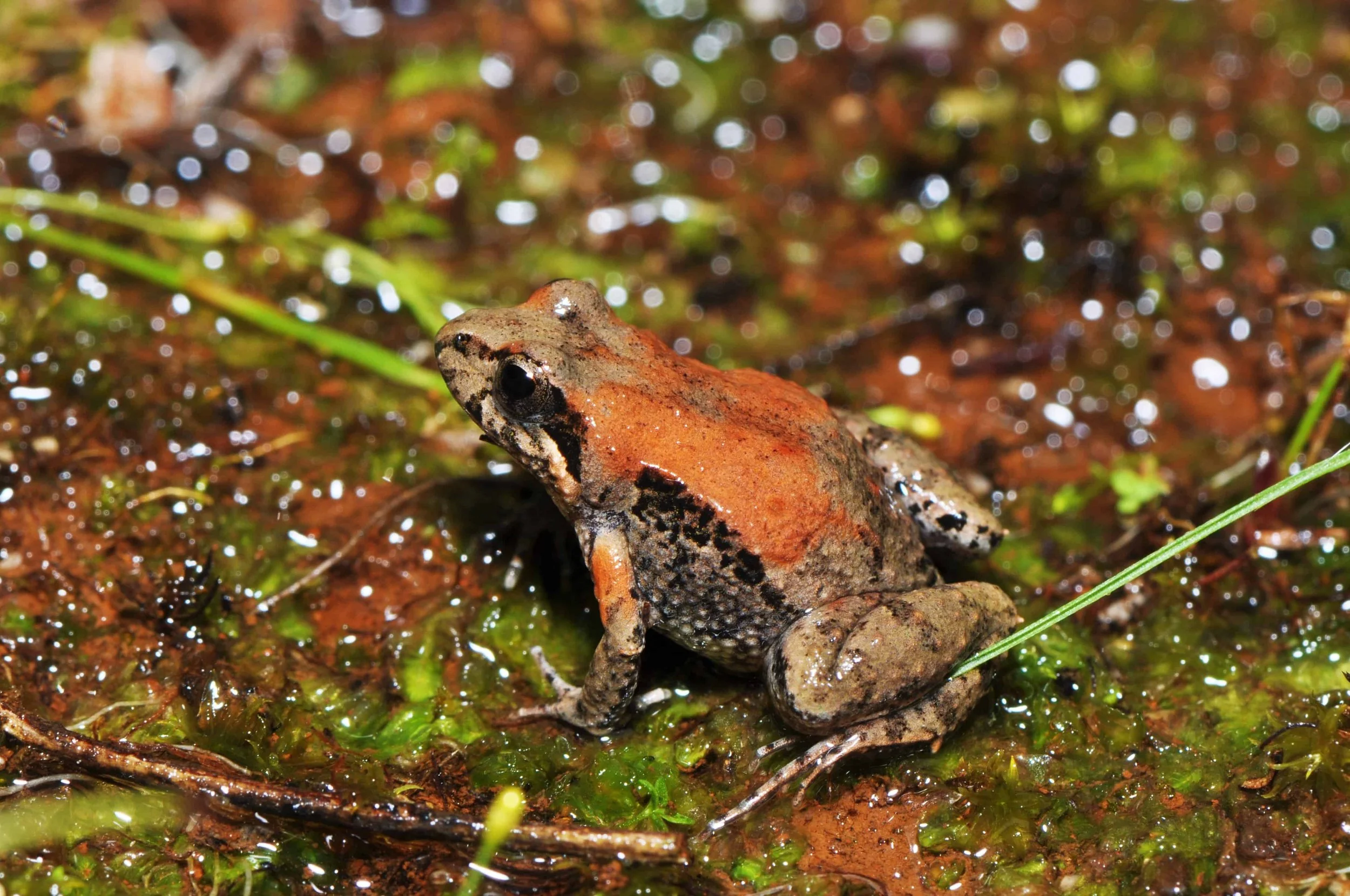
Habitat & Ecological Condition Monitoring
Monitor changes in fauna habitat and other relevant ecological indicators to identify trends, evaluate impacts and assess responses to management actions.
-
Compliance Audits
Review project activities, environmental records and management measures against relevant commitments and requirements to identify gaps, risks and opportunities for improvement.
-

Monitoring Program Design
Develop monitoring programs around the ecological values, project risks, regulatory requirements and management objectives that matter to the project.
Technology-enabled monitoring
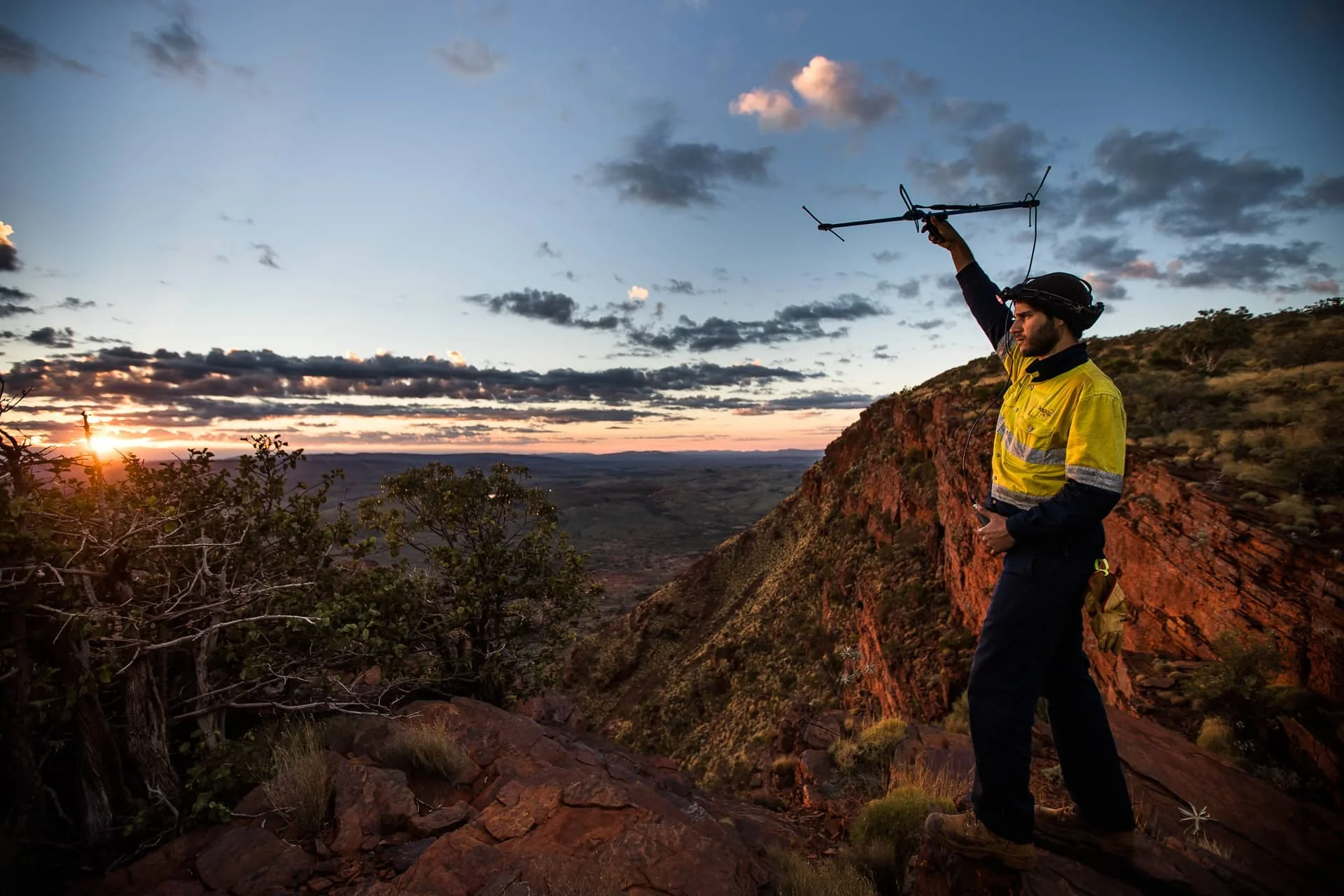
Where appropriate, we integrate digital field systems, remote monitoring, automated data processing and AI-assisted analysis to improve data handling, consistency and project efficiency.
These tools allow our ecologists to spend more time interpreting results, identifying meaningful change and providing practical advice.
All findings are reviewed and interpreted by experienced ecologists with an understanding of the species, habitats and project context.
Need a monitoring program that produces useful data?
Let’s build a program around your approval conditions, risks and management objectives.